
How to Improve English Pronunciation as an Adult
You don't need a native accent to speak English clearly. Research shows adult brains can significantly improve pronunciation at any age. Here's what to focus on and what to ignore.
Read more →Tips and insights to improve your English speaking
You don't need a native accent to speak English clearly. Research shows adult brains can significantly improve pronunciation at any age. Here's what to focus on and what to ignore.
Read more →
Watching English movies and TV builds listening and vocabulary recognition. It does not build speaking fluency. Here's why passive input fails to develop production skills, and what to do instead.
Read more →
AI tutors and human tutors build speaking skills differently. Research on feedback quality, personalization, and learning efficiency shows they work best together — not in competition.
Read more →
Speaking anxiety drains the working memory you need to retrieve words and build sentences. Here's the neuroscience behind freezing — and what actually reduces it.
Read more →
Most English learners study for years but still freeze when speaking. Here's what the science of language production says about why — and how to fix it at home.
Read more →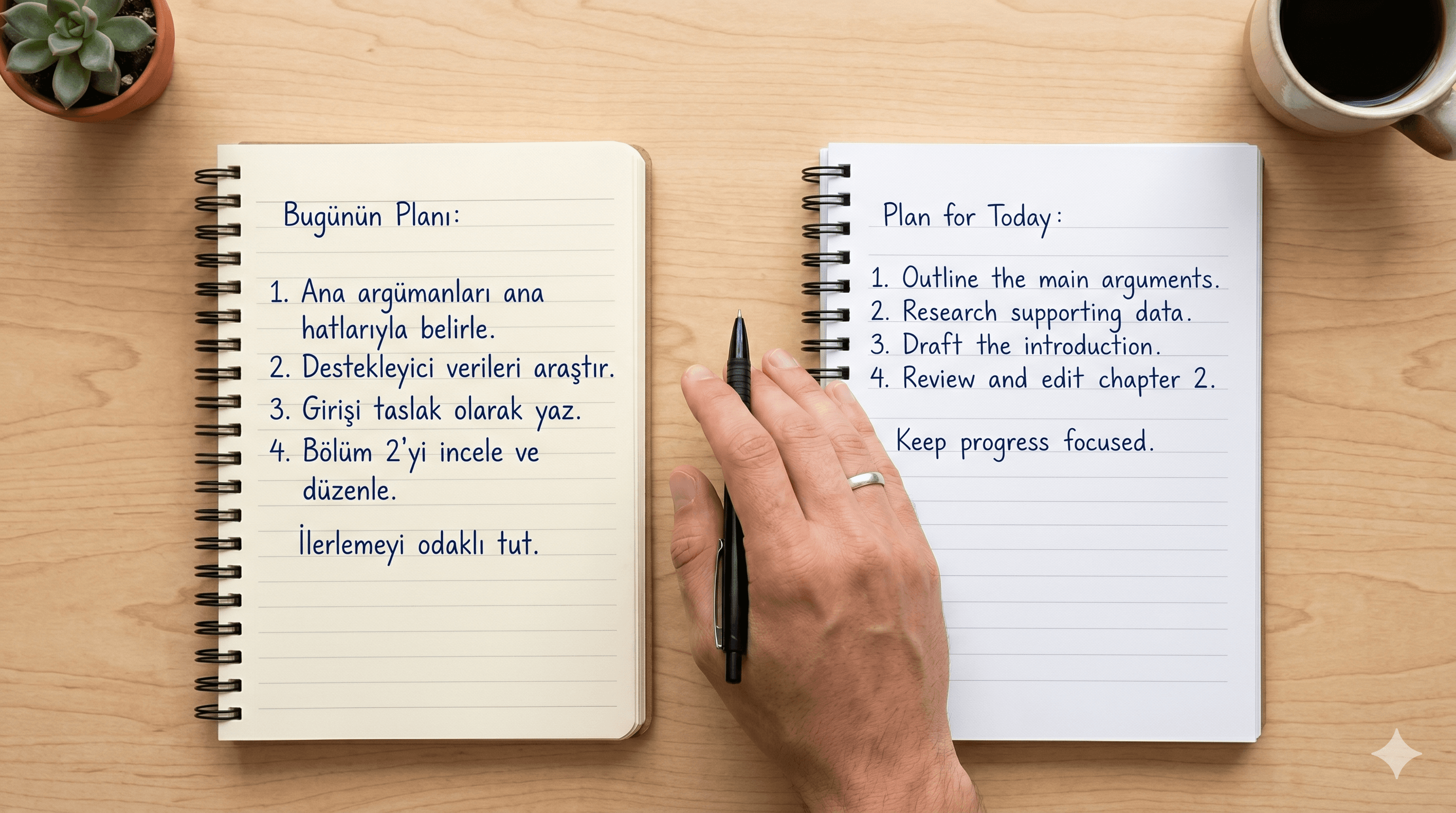
Mental translation slows your English speech because both languages compete for activation at the same time. Here's the neuroscience — and specific methods to rewire the habit.
Read more →
Most IELTS candidates prepare for the wrong things. Here's what the official band descriptors actually require for Band 7 — and three persistent myths that quietly limit scores.
Read more →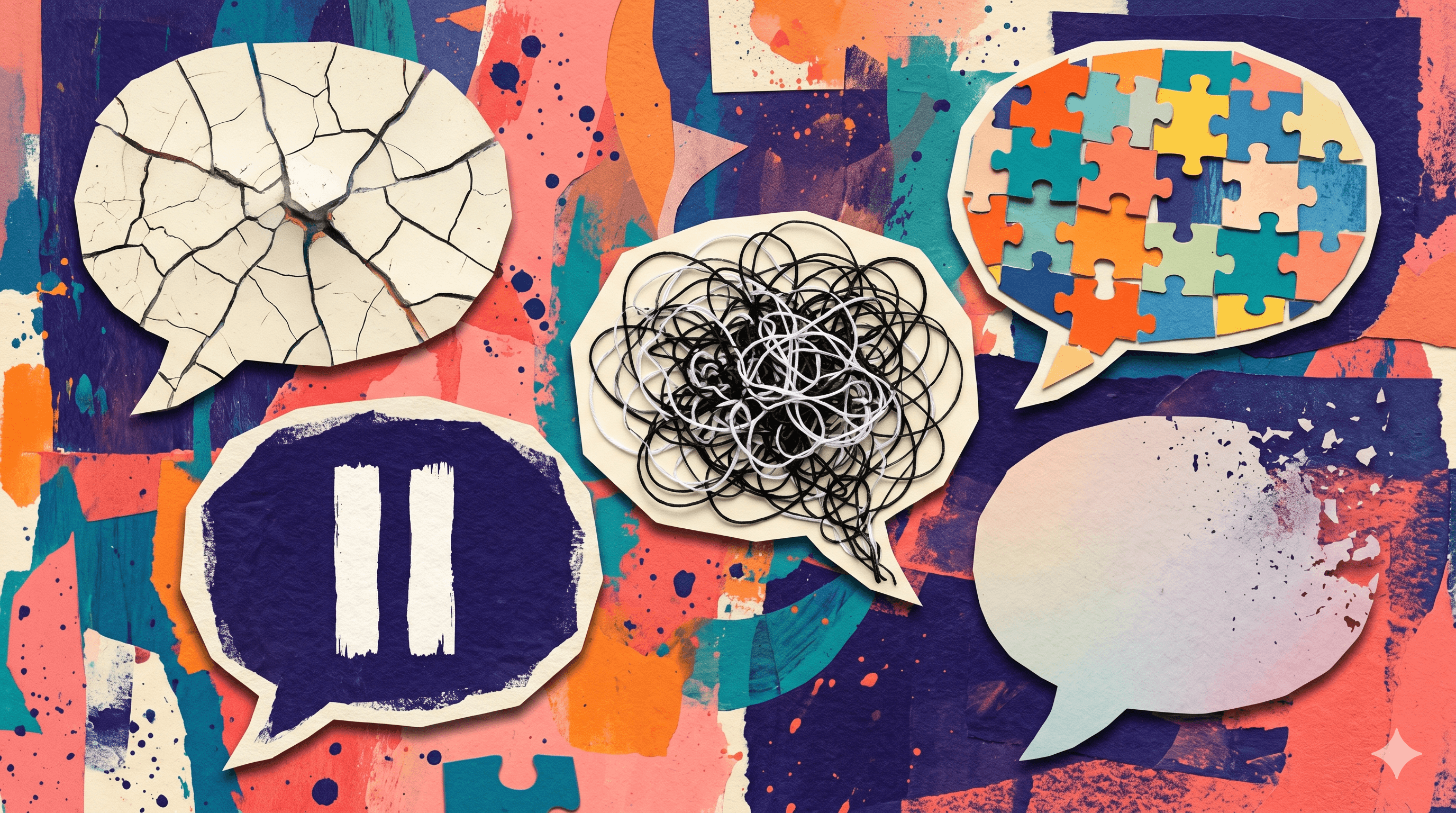
Research in psycholinguistics identifies clear, recurring patterns in how non-native speakers produce English. Here are the 5 most common mistakes — and a practical exercise to correct each one.
Read more →
Duolingo's spaced repetition system is designed for vocabulary recognition, not speaking production. Here's what the research says — and what actually builds spoken fluency.
Read more →
Understanding English and speaking it use different cognitive systems. Here's the neuroscience behind the gap — and four specific methods that close it.
Read more →